Top 10 Tips to Improve Your Art best
Whether you’re a beginner picking up a pencil for the first time or an experienced artist looking to refine your skills, one question always comes up: How can I improve my art? The answer isn’t hidden in expensive supplies or natural talent. Instead, it lies in consistent practice, observation, and a willingness to learn.
Many aspiring artists become discouraged when they compare themselves to professionals. However, every great artist started with rough sketches and imperfect drawings. Improvement happens gradually through small, intentional steps taken every day.
In this guide, you’ll discover the top 10 tips to improve your art that artists around the world use to sharpen their skills. These practical techniques will help you develop confidence, creativity, and a stronger artistic foundation.
Table of Contents
- Practice Every Day
- Master the Fundamentals
- Draw What You See, Not What You Think
- Experiment with Different Mediums
- Learn from Other Artists
- Take Breaks and Reflect
- Build a Strong Reference Library
- Accept Feedback Positively
- Finish More Artwork
- Enjoy the Process
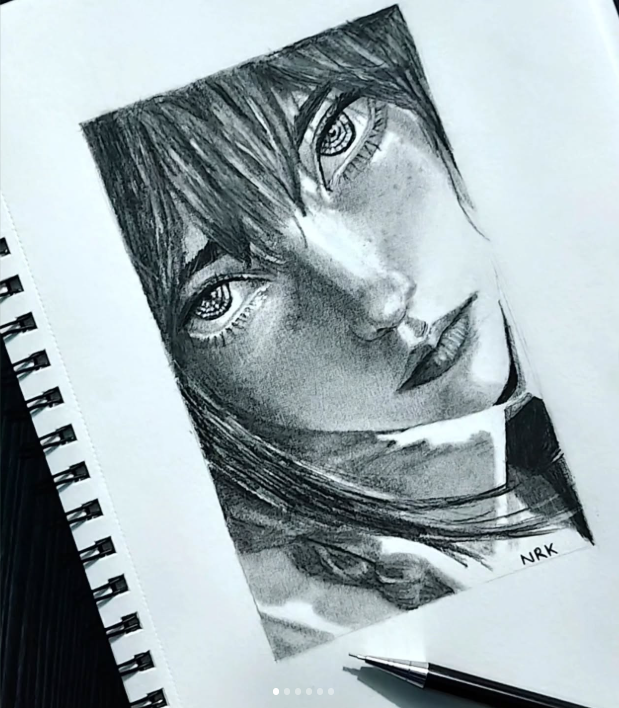
1. Best to practice everyday
The single most effective way to improve your art is consistent daily practice. Even spending 20–30 minutes each day can produce noticeable improvement over time.
Daily drawing strengthens your hand-eye coordination, improves muscle memory, and helps you become more comfortable with different techniques.
Instead of aiming to create a masterpiece every day, focus on small exercises such as:
- Gesture drawings
- Quick sketches
- Value studies
- Perspective practice
- Anatomy practice
- Object studies
Remember, quantity often leads to quality. Every sketch teaches you something new.
Pro Tip
Keep a sketchbook with you wherever you go. Draw people, buildings, plants, animals, or everyday objects whenever you have free time.
2. Master the Fundamentals
Many beginners jump straight into detailed portraits or complex digital paintings without learning the basics. This often slows their progress.
Professional artists spend years mastering the fundamentals because they form the foundation of every great artwork.
Focus on learning:
Shapes
Everything can be simplified into circles, cubes, cylinders, and spheres.
Perspective
Understanding one-point, two-point, and three-point perspective helps create believable environments.
Anatomy
Learning how the human body is constructed makes characters more realistic and expressive.
Lighting and Shadows
Proper lighting creates depth and realism.
Composition
A well-composed artwork naturally guides the viewer’s eye.
Strong fundamentals make every future artwork easier to create.
3. Draw What You See, Not What You Think
One of the biggest mistakes beginners make is drawing from memory instead of observation.
For example, many people think they know what an eye looks like. However, when they actually study a real eye, they notice countless details they previously ignored.
Train yourself to observe:
- Angles
- Proportions
- Negative space
- Shadows
- Texture
- Light direction
The more carefully you observe, the more realistic your artwork becomes.
A useful exercise is blind contour drawing, where you draw your subject without looking at the paper. This strengthens observation skills dramatically.
4. Experiment with Different Mediums
Trying different art mediums expands your creativity and teaches new techniques.
Consider exploring:
- Graphite pencils
- Charcoal
- Colored pencils
- Watercolors
- Acrylic paint
- Oil paint
- Ink
- Alcohol markers
- Digital painting
Each medium has its own strengths and challenges.
For example:
- Watercolors improve confidence because they are difficult to erase.
- Charcoal teaches value and contrast.
- Digital art encourages experimentation through layers and undo tools.
Even if you eventually specialize in one medium, experimenting with others will make you a more versatile artist.
5. Learn from Other Good Artists
Studying great artists is one of the fastest ways to improve your own work.
This doesn’t mean copying their artwork and claiming it as your own. Instead, analyze what makes their work successful.
Ask yourself:
- How do they use color?
- How do they compose a scene?
- Why does the lighting feel realistic?
- What brush techniques do they use?
- How do they simplify complex objects?
You can also recreate master studies purely for learning purposes.
Following skilled artist online can expose you to new workflows, creative ideas, and problem-solving techniques that you can apply to your own art.
Don’t Compare Yourself
Instead of feeling discouraged by talented artists, use their work as inspiration. Compare today’s artwork with your own work from six months ago. That’s the comparison that truly measures growth.
6. Take Breaks and Reflect on Your Progress
While regular practice is essential, knowing when to step away is equally important. Spending hours staring at the same drawing can make it difficult to notice mistakes. Taking a short break allows you to return with fresh eyes and a clearer perspective.
Many professional artists leave a piece overnight before making final adjustments. This simple habit helps identify issues with proportions, colors, lighting, or composition that may have gone unnoticed during long drawing sessions.
Another great habit is to keep your old artwork instead of throwing it away. Looking back at sketches from a few months or years ago can be incredibly motivating because you’ll clearly see how much you’ve improved.
Ways to Reflect on Your Progress
- Compare your latest artwork with older pieces.
- Keep a digital or physical portfolio.
- Write down what went well and what could be improved after finishing each artwork.
- Set small monthly goals instead of focusing only on long-term achievements.
Remember, improvement is rarely obvious from one day to the next—but over weeks and months, the progress becomes undeniable.
7. Build a Strong Reference Library
One of the biggest misconceptions in the art world is that using references is “cheating.” In reality, almost every professional artist uses references to create more accurate and believable artwork.
A reference library is a collection of images, photographs, textures, poses, lighting examples, landscapes, and objects that you can study while creating art.
For example, if you’re drawing a tiger, studying several reference photos will help you understand its anatomy, fur patterns, and posture. If you’re painting a sunset, observing real skies will improve your understanding of color and lighting.
What to Include in Your Reference Library
- Human anatomy references
- Animal studies
- Facial expressions
- Clothing folds
- Architecture
- Nature and landscapes
- Color palettes
- Lighting examples
Organizing references into folders on your computer or cloud storage can save time and make your creative process much smoother.
8. Accept Feedback with an Open Mind
Receiving feedback can feel intimidating, but constructive criticism is one of the fastest ways to grow as an artist.
Instead of viewing feedback as criticism of your talent, think of it as valuable information that helps you improve.
When asking for feedback, encourage others to be specific. Rather than asking, “Do you like my drawing?” ask questions such as:
- Does the anatomy look correct?
- Is the lighting believable?
- Does the composition guide your eye effectively?
- Which area needs the most improvement?
Not every opinion will be useful, so learn to separate constructive advice from personal preferences. Listen to experienced artists, teachers, and mentors while staying true to your own artistic style.
Growth happens when you’re willing to learn from both successes and mistakes.
9. Finish More Artwork
Many artists begin exciting new projects but abandon them halfway through. While practicing individual skills is important, completing full pieces teaches lessons that sketches alone cannot.
Finishing artwork helps you:
- Improve patience and discipline.
- Learn how to solve creative problems.
- Build confidence.
- Create a portfolio of completed work.
- Develop your own artistic style.
Perfectionism often prevents artists from finishing projects. Instead of chasing perfection, aim for completion. Every finished artwork becomes a stepping stone toward creating even better work in the future.
A useful challenge is to complete one finished piece every week or every month, depending on your schedule.
10. Enjoy the Process
The final and perhaps most important tip is to enjoy creating art.
Many artists become so focused on social media likes, commissions, or comparing themselves to others that they forget why they started drawing in the first place.
Art should be a journey of creativity, exploration, and self-expression.
Try experimenting without worrying about the final result. Fill pages with rough sketches, play with colors you’ve never used before, and don’t be afraid to make mistakes. Some of the most creative ideas emerge from happy accidents.
When you genuinely enjoy the process, you’ll naturally spend more time creating—and that consistent practice is what leads to long-term improvement.
Visit Proko‘s website for extra tips.
Common Mistakes That Slow Artistic Growth
Avoiding these common mistakes can help you improve more efficiently:
- Waiting for motivation instead of building a consistent routine.
- Comparing your beginning to someone else’s years of experience.
- Ignoring the fundamentals of drawing and design.
- Refusing to use references.
- Quitting after making mistakes.
- Constantly buying new art supplies instead of improving your skills.
- Never finishing artwork.
- Being afraid to experiment with new techniques.
Recognizing these habits is the first step toward overcoming them.
Frequently Asked Question
Final Thoughts
Every artist follows a unique creative journey, and there is no single shortcut to success. The top 10 tips to improve your art all share one common theme: consistent practice combined with a willingness to learn.
Focus on building strong fundamentals, observe the world carefully, experiment with different techniques, seek constructive feedback, and complete your artwork. Most importantly, remember to enjoy the creative process. Every sketch, every mistake, and every finished piece contributes to your growth as an artist.
Whether your goal is to become a professional illustrator, painter, designer, or simply enjoy art as a hobby, these habits will help you build confidence and steadily improve your skills over time.
Start today, stay consistent, and trust the process—your future artwork will reflect the effort you put in today.